October 22, 2026
Maintaining a safe, productive, and resilient commercial facility requires proactive oversight of every structural component, starting from the ground up. Concrete slabs bear the brunt of daily operational activity, enduring constant foot traffic, heavy vehicular loads, thermal variations, and routine exposure to industrial substances. Over time, bare or inadequately shielded concrete begins to degrade under continuous operational stress. When foundational slabs show signs of structural fatigue, facility managers often face compromised workflows, safety liabilities, and ongoing maintenance headaches. Recognizing the distinct indicators of concrete deterioration allows building operators to schedule professional epoxy flooring services before surface damage threatens daily productivity.
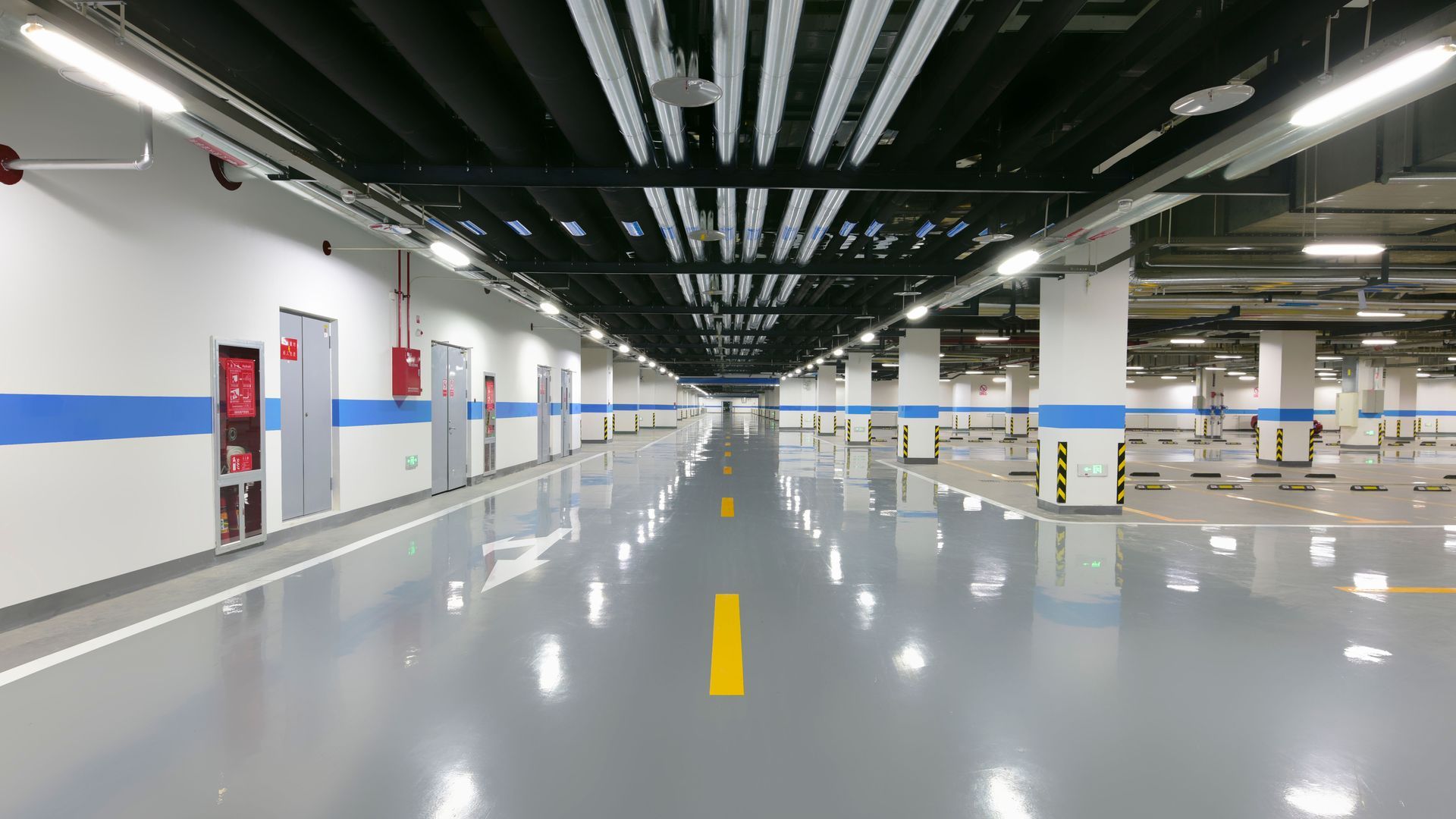
Commercial environments such as manufacturing plants, distribution warehouses, automotive service bays, and food processing centers have demanding floor performance expectations. Unprotected concrete is naturally porous, meaning liquids, greases, and fine particulates penetrate beneath the surface, compromising structural integrity and indoor environmental quality. Applying high-performance polymer coatings creates an impenetrable, seamless shield that preserves concrete foundations against chemical absorption and physical abrasion. Identifying the operational symptoms that signal failing substrate surfaces empowers decision-makers to implement lasting floor solutions that protect workforce safety and operational assets.
Delaying surface remediation often leads to cascading operational difficulties across an entire commercial enterprise. What starts as a small network of surface cracks can rapidly expand into deep slab fractures under the weight of active machinery. Furthermore, neglected concrete generates fine mineral dust that settles on stored inventory, delicate assembly tools, and sensitive electronic equipment. Proactively addressing concrete degradation preserves facility standards and maintains a modern, organized aesthetic that reflects professional excellence.
Facility managers who recognize these physical degradation warnings early can take decisive steps to protect their commercial infrastructure. Applying protective polymer barriers stops structural decline, streamlines routine upkeep, and ensures the building remains fully compliant with industry health and safety standards. Exploring the key warning signs of deteriorating concrete illustrates why prompt professional intervention is critical for maintaining high operational standards.
1. Noticing Progressive Surface Cracking and Spalling
One of the earliest and most unmistakable warnings of concrete deterioration is the formation of visual fracture patterns across the slab. Concrete expands and contracts with shifting ambient temperatures, structural settling, and sustained operational pressure. When unprotected slabs endure repetitive cycles of thermal expansion without an elastic protective barrier, small hairline fractures inevitably emerge. Left unattended, daily vibration from rolling equipment and heavy structural loads widens these surface flaws, causing concrete edges to break away and crumble in a process known as spalling.
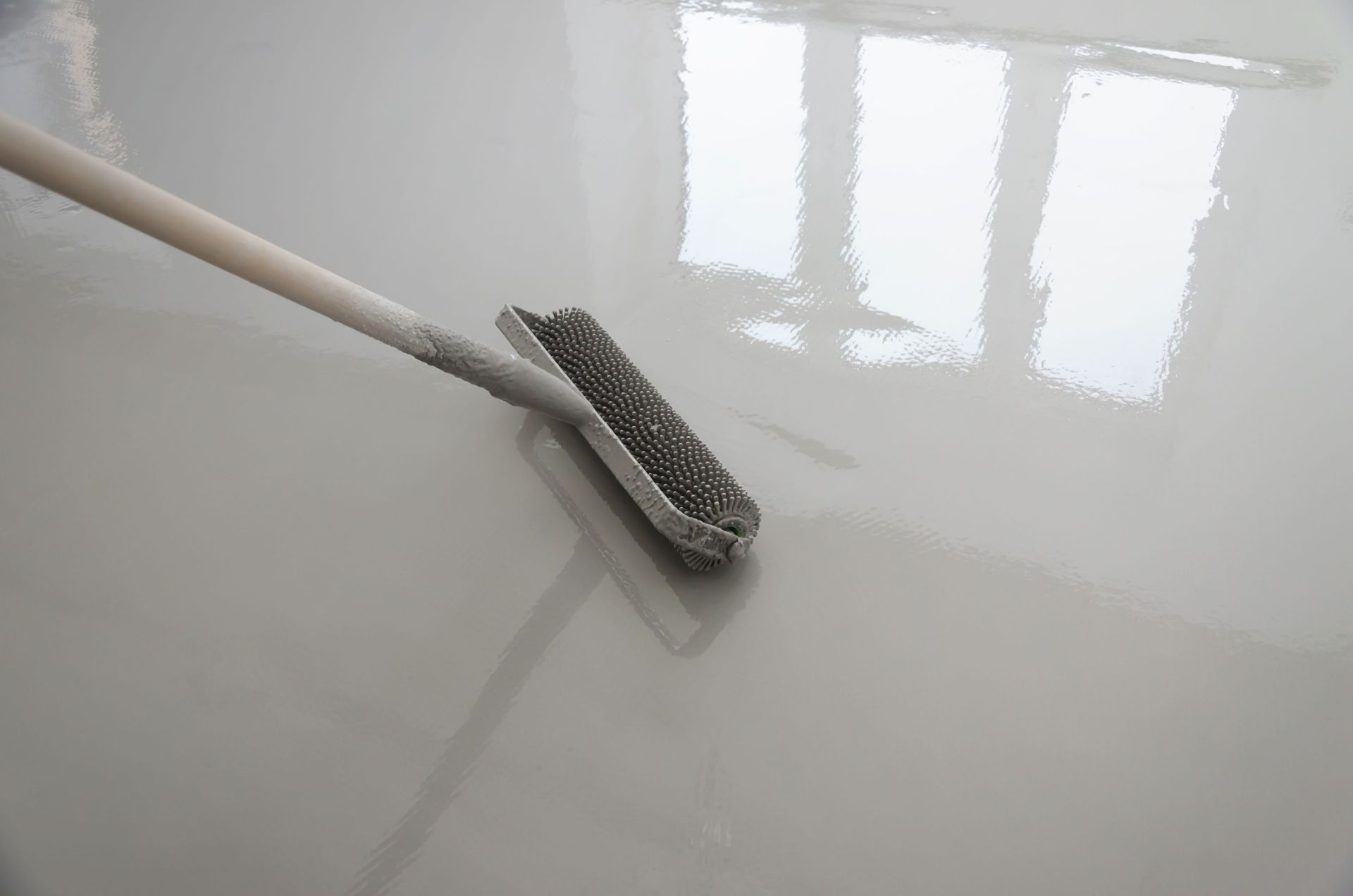
Crumbling concrete and widening surface chasms present substantial operational hazards for facility personnel and moving machinery. Rolling carts and motorized lift equipment experience jarring impacts when traversing uneven fissures, accelerating tire degradation and threatening load stability. Investing in commercial epoxy flooring services resolves progressive cracking by sealing structural gaps with high-tensile resin formulations. Skilled specialists prepare concrete substrates thoroughly, filling voids with structural patch mortars before applying thick polymer layers that bond directly to the slab, restoring a uniform, durable plane capable of withstanding relentless operational movement.
2. Experiencing Persistent Chemical Spills and Fluid Infiltration
Industrial and commercial operations regularly handle challenging substances, including lubricants, automotive fluids, aggressive solvents, acidic cleaning solutions, and processing byproducts. Because untreated concrete possesses an interconnected microscopic capillary network, spilled chemicals rapidly soak deep into the slab. Once absorbed, volatile chemical agents weaken the concrete matrix from within, causing subsurface crumbling, unpleasant odor retention, and long-term environmental contamination beneath the foundation.
Standard architectural sealers often fail when exposed to harsh industrial solvents and aggressive sanitizing regimens. According to HomeAdvisor, industrial and commercial facilities necessitate a 100% solid formulation to provide the mechanical endurance and chemical defense demanded by active operations. Engaging professional epoxy flooring services ensures that facilities receive industrial-strength polymers formulated specifically to resist chemical attack. These advanced multi-layer systems create an impervious topical shield, ensuring hazardous spills remain on the surface where custodial crews can safely wipe them away without damaging the underlying concrete.
3. Struggling with Dust Accumulation and Sanitation Challenges
If maintenance crews struggle to keep warehouse inventory, production lines, and workstations free of fine powdery residue, the concrete floor itself is likely disintegrating. Concrete dusting occurs when unprotected surface paste breaks down under normal mechanical friction, generating an airborne powder of fine mineral particles. This persistent mineral dust circulates through heating and cooling systems, settles across finished goods, and contaminates delicate assembly processes. For facilities governed by stringent cleanliness regulations, continuous dusting presents a severe compliance issue that compromises operational output.
Porous, unsealed concrete also creates ideal harbors for moisture accumulation, microbial growth, and deep grime that resist routine power scrubbing. Integrating specialized epoxy flooring services transforms porous, dusty slabs into completely non-porous, monolithic working surfaces. Seamless resinous barriers eliminate open joints, pores, and crevices where contaminants gather. The resulting smooth surface allows cleaning teams to sanitize large square footages rapidly using mechanical scrubbers, maintaining high hygiene standards while dramatically decreasing routine janitorial labor requirements.
4. Observing Premature Wear from Heavy Machinery Traffic
Commercial facilities that operate forklifts, pallet jacks, and heavy vehicular transports place immense localized pressure on concrete surfaces. Over time, repetitive vehicular patterns carve noticeable wheel ruts and traffic grooves into bare concrete slabs. As aggregate becomes exposed, surface roughness increases, creating substantial friction that damages equipment tires, strains drive motors, and creates an unsightly, degraded appearance throughout major transit corridors. When transport paths display noticeable wear patterns, the slab has reached the limit of its unassisted load-bearing endurance.
Heavy operational machinery requires a high-compressive-strength surfacing layer that can distribute concentrated loads evenly across the structural foundation. Qualified epoxy flooring services address vehicular wear by installing heavy-duty resinous matrices infused with specialized aggregates. These reinforced systems deliver exceptional mechanical resistance that withstands severe point-load pressure and continuous rubber-wheel traffic. By installing resilient polymer surfaces along high-traffic routes, facility supervisors protect physical infrastructure, enhance mobile equipment longevity, and maintain seamless internal transit across the building.
5. Dealing with Slip Hazards and Diminished Floor Safety
Employee safety remains an essential priority for facility managers across every commercial sector. Bare concrete floors that become coated with water, oils, or loose particulate matter quickly turn into treacherous slipping hazards. Workplace slips, trips, and falls represent major sources of occupational injury, leading to lost workdays, reduced employee morale, and operational disruption. Furthermore, dark, dull, or stained concrete absorbs available overhead lighting, creating gloomy transit paths that decrease visibility in active operating environments.
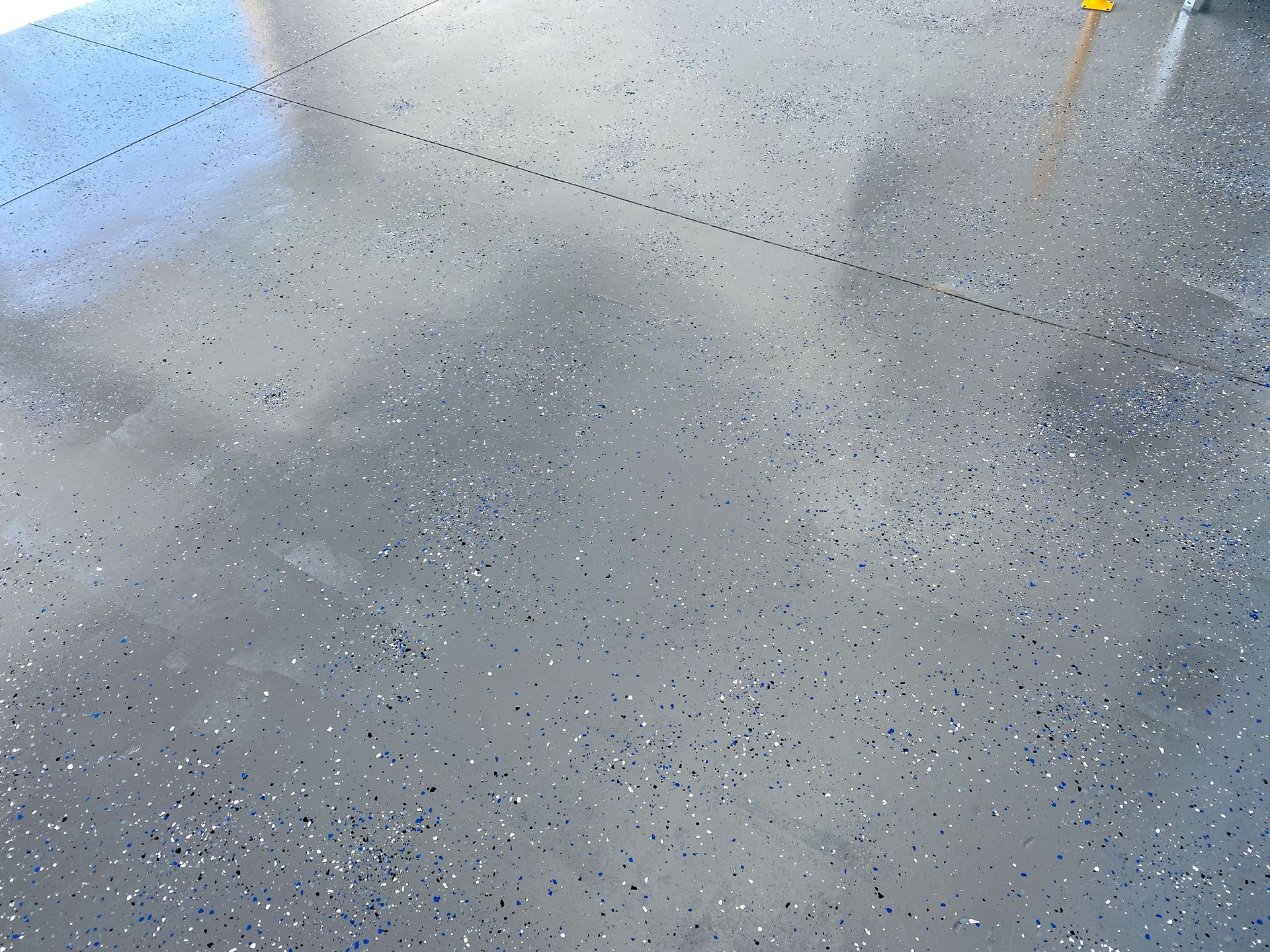
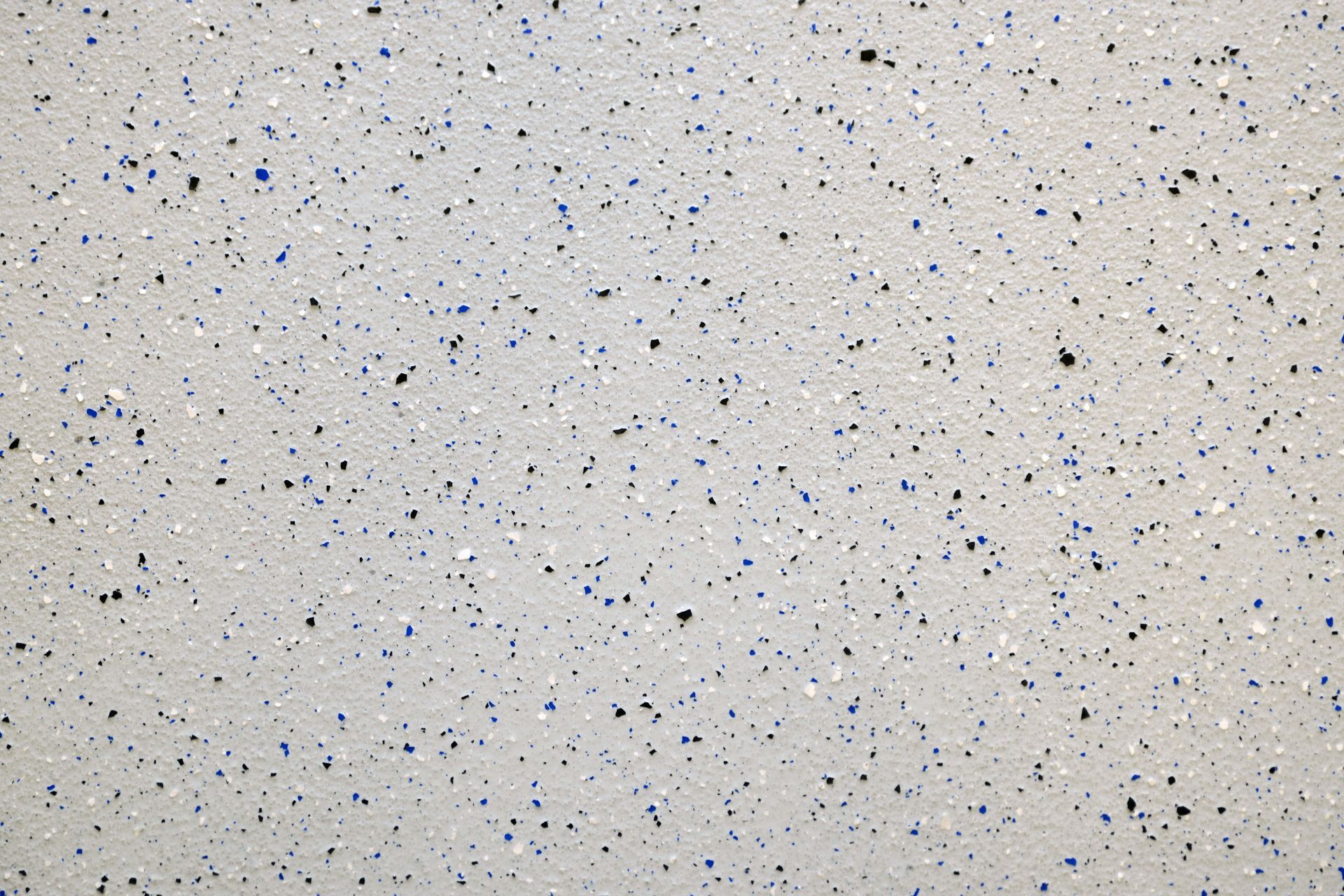
Modern resinous coatings provide advanced safety features that actively transform dangerous industrial environments into secure workspaces. Reliable epoxy flooring services incorporate customizable slip-resistant aggregates, such as quartz or aluminum oxide, directly into the protective finish to provide dependable traction even in wet conditions. Additionally, high-gloss resin finishes reflect ambient overhead light throughout the interior, significantly brightening work bays without increasing power consumption. Incorporating contrasting safety color borders and pedestrian walkway striping creates clear visual communication that guides personnel safely throughout active facilities.
Maintaining high operational standards within a busy commercial building begins with safeguarding the structural integrity of the floor. From repairing crumbling fissures and mitigating chemical intrusion to eliminating concrete dusting and enhancing worker traction, proactive slab protection provides lasting organizational advantages. Selecting dedicated epoxy flooring services ensures that your facility benefits from high-grade polymer systems tailored specifically to the unique demands of your commercial operations.
If you are ready for professional assistance with high-performance resinous products, contact us at Central Resinous Flooring Supply today. We will help you identify the ideal protective coatings, application tools, and specialty aggregates to protect your facility floors for the long haul.