September 21, 2026
Epoxy flooring has become increasingly popular in commercial and industrial settings because of its resilience, versatility, and ability to withstand demanding conditions. High-traffic environments require flooring that can tolerate constant foot traffic, equipment movement, spills, impacts, and routine cleaning without quickly deteriorating. Professional epoxy flooring services can provide a durable surface designed to address these challenges while also giving businesses considerable flexibility in appearance. From warehouses and manufacturing facilities to healthcare environments and retail spaces, epoxy offers a combination of strength, manageable maintenance, and customization that makes it suitable for many applications.
1. Exceptional Durability in Busy Environments
One of the primary reasons businesses choose epoxy flooring is its resistance to everyday wear and tear. Once properly applied and cured, epoxy forms a dense protective layer over the underlying concrete. This surface can resist scratches, abrasions, impacts, and other damage associated with frequent activity. Facilities that experience substantial pedestrian traffic or regular movement of carts and equipment can benefit from a floor designed to maintain its structural and visual qualities over an extended period.
Epoxy also performs well in areas exposed to heavy loads. Warehouses, automotive facilities, manufacturing plants, and distribution centers may regularly use forklifts, machinery, shelving systems, and other heavy equipment. When the underlying concrete is properly prepared and structurally sound, epoxy flooring services can create a protective system suited to the facility's operational requirements. Selecting the appropriate coating thickness and formulation is particularly important when floors will encounter demanding conditions.
2. Resistance to Chemicals and Spills
Commercial and industrial floors may encounter oils, cleaning products, grease, chemicals, and other substances that could stain or damage conventional flooring materials. Epoxy coatings can be formulated to provide resistance against many of these substances, helping protect the concrete underneath. The exact level of chemical resistance varies according to the epoxy system and the chemicals involved, so facilities should select products based on their specific operating environment.
The seamless surface also makes spills easier to contain and remove before they create larger maintenance problems. This characteristic can be especially valuable in automotive shops, manufacturing environments, laboratories, warehouses, and other facilities where accidental spills are possible. Prompt cleanup remains important because chemical resistance does not mean that every epoxy formulation is completely unaffected by every substance.
3. Simplified Cleaning and Maintenance
Another significant advantage is the relatively straightforward cleaning process. Epoxy creates a smooth surface without the grout lines and numerous joints commonly found in some traditional flooring systems. Dirt, dust, and debris can therefore be removed through routine sweeping, dust mopping, or other appropriate cleaning methods. Businesses using epoxy flooring services can also develop maintenance schedules based on traffic levels and the types of contaminants typically encountered within the facility.
Because the surface is non-porous when properly installed, liquids are less likely to penetrate directly into the underlying concrete. This characteristic can help reduce staining and simplify cleanup. Routine maintenance may involve sweeping, mopping, and using cleaning products compatible with the installed coating. Removing abrasive debris regularly can also help preserve the finish and reduce unnecessary surface wear.
4. Importance of Proper Installation Conditions
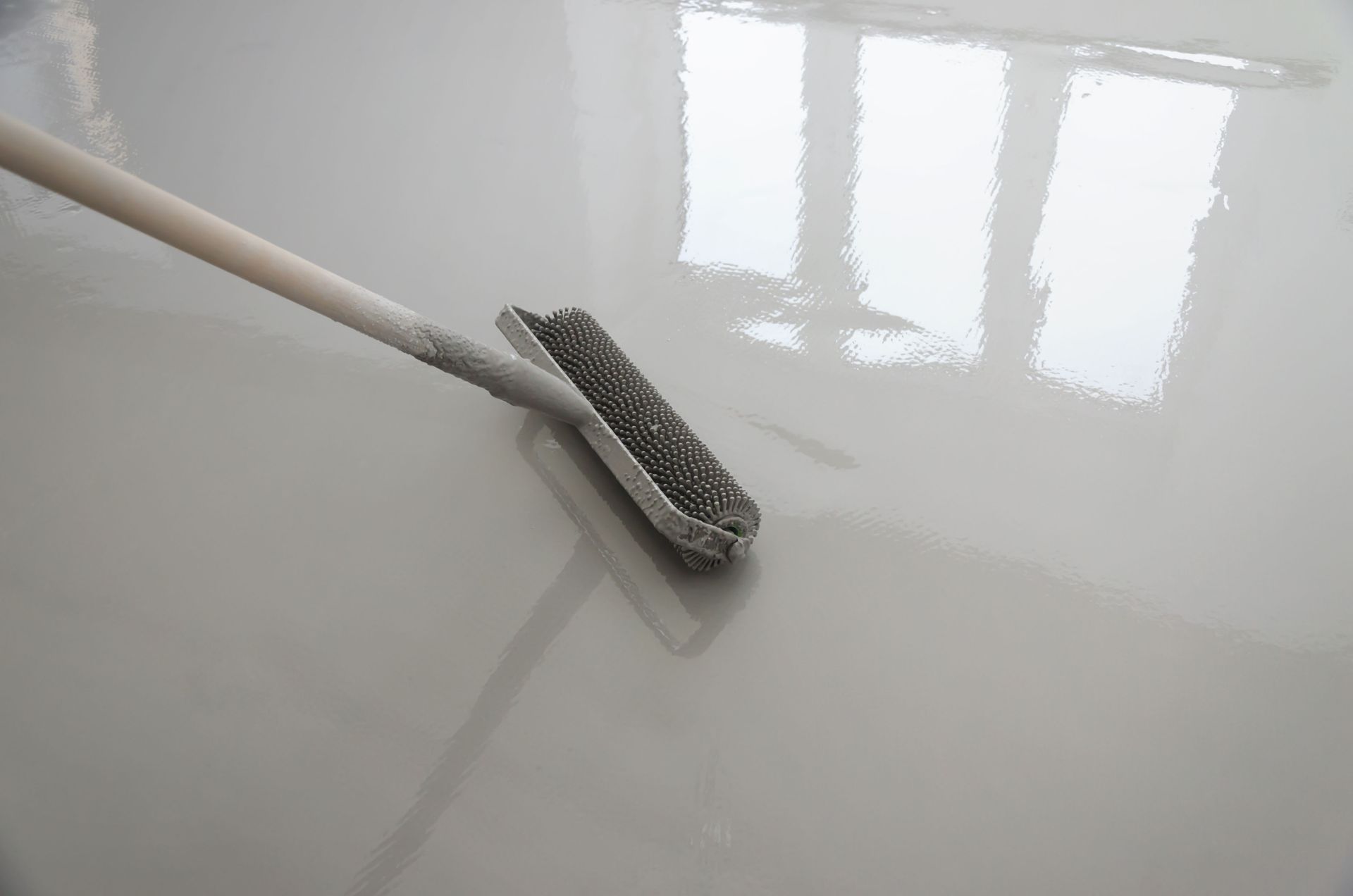
Performance depends heavily on correct surface preparation and installation. Concrete may need to be cleaned, repaired, and mechanically prepared before the coating is applied. Moisture conditions, surface contaminants, cracks, and existing coatings should also be evaluated because these factors can interfere with adhesion. According to HomeGuide, epoxy flooring performs best when installed at temperatures between 60°F and 85°F with humidity below 85%. Appropriate environmental conditions help the coating cure correctly and achieve its intended performance characteristics.
Professional epoxy flooring services can evaluate the substrate and determine which preparation methods are appropriate before application begins. Careful preparation is critical because even a high-quality coating can experience adhesion problems when installed over poorly prepared concrete. Taking time to address the substrate can contribute substantially to the floor's appearance, durability, and useful service life.
5. Customizable Colors and Finishes
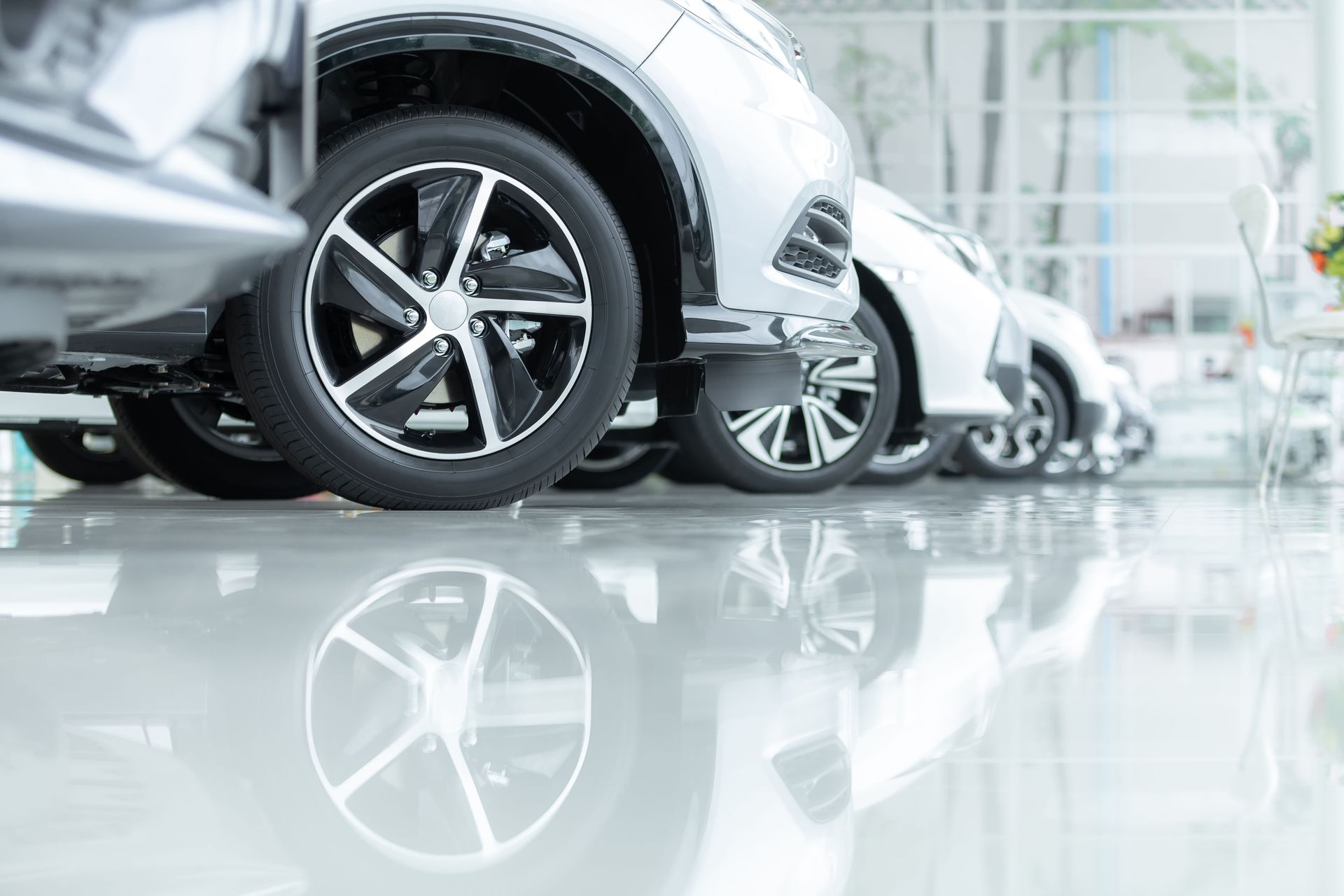
Performance is only one consideration when selecting commercial flooring. Businesses may also want floors that support the appearance and organization of their facilities. Epoxy systems are available in numerous colors, textures, decorative effects, and finishes. Businesses can choose neutral colors for practical industrial environments or incorporate more distinctive designs into retail, office, showroom, or customer-facing spaces.
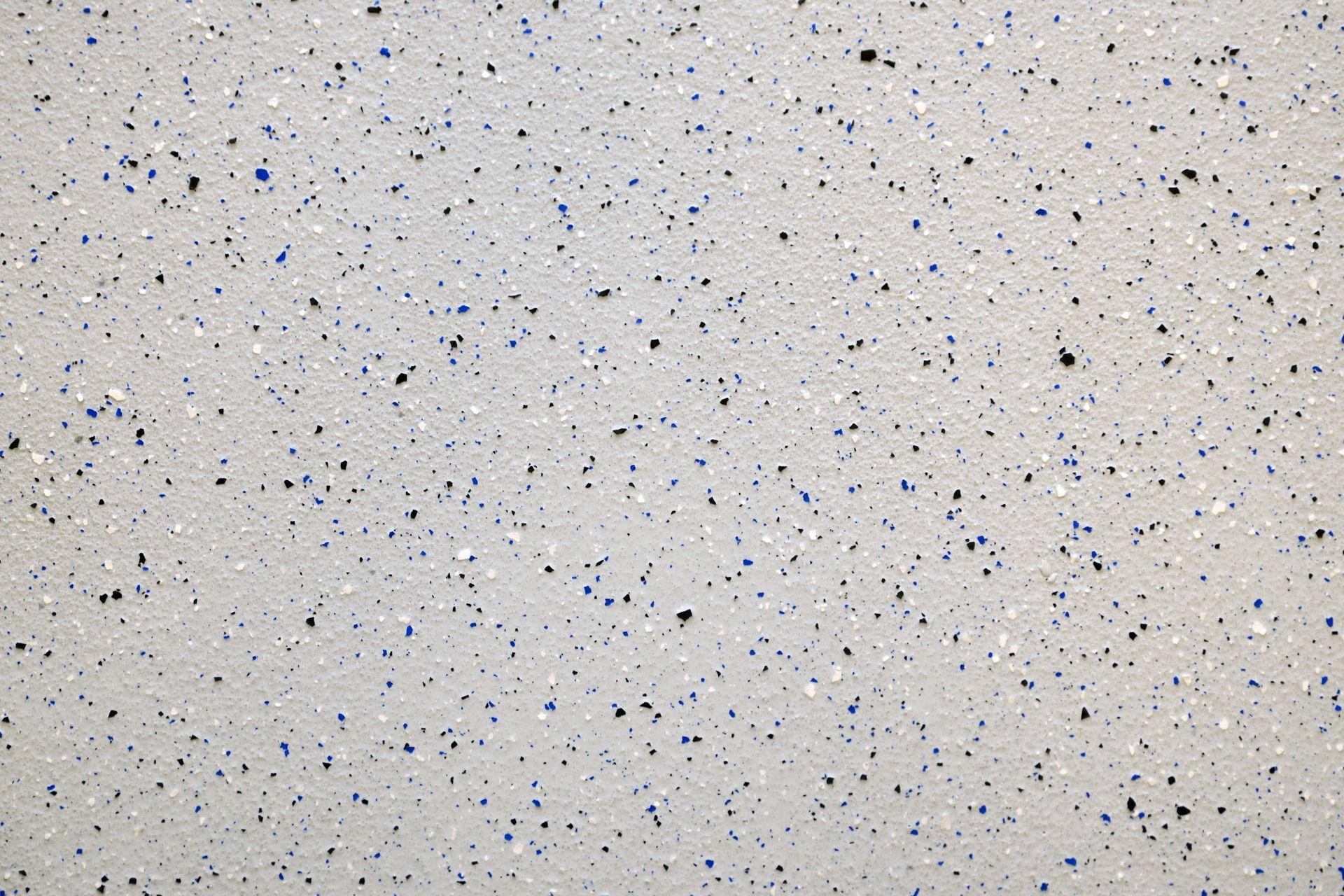
Decorative flakes, metallic effects, patterns, and other visual elements can further customize a floor. Gloss levels may also be adjusted depending on the desired appearance. By working with epoxy flooring services, facility managers can consider both functional requirements and design goals when choosing a coating system. This flexibility allows flooring to contribute to the broader visual character of a property rather than serving only as a protective surface.
6. Safety and Facility Organization
Epoxy flooring can be adapted to support workplace safety and organization. Slip-resistant aggregates or textured finishes may be incorporated in locations where additional traction is necessary. These features can be useful around entrances, production areas, service bays, kitchens, loading areas, or other locations where water, oils, or contaminants could increase slipping hazards. The appropriate level of texture should reflect the conditions and cleaning requirements of the facility.
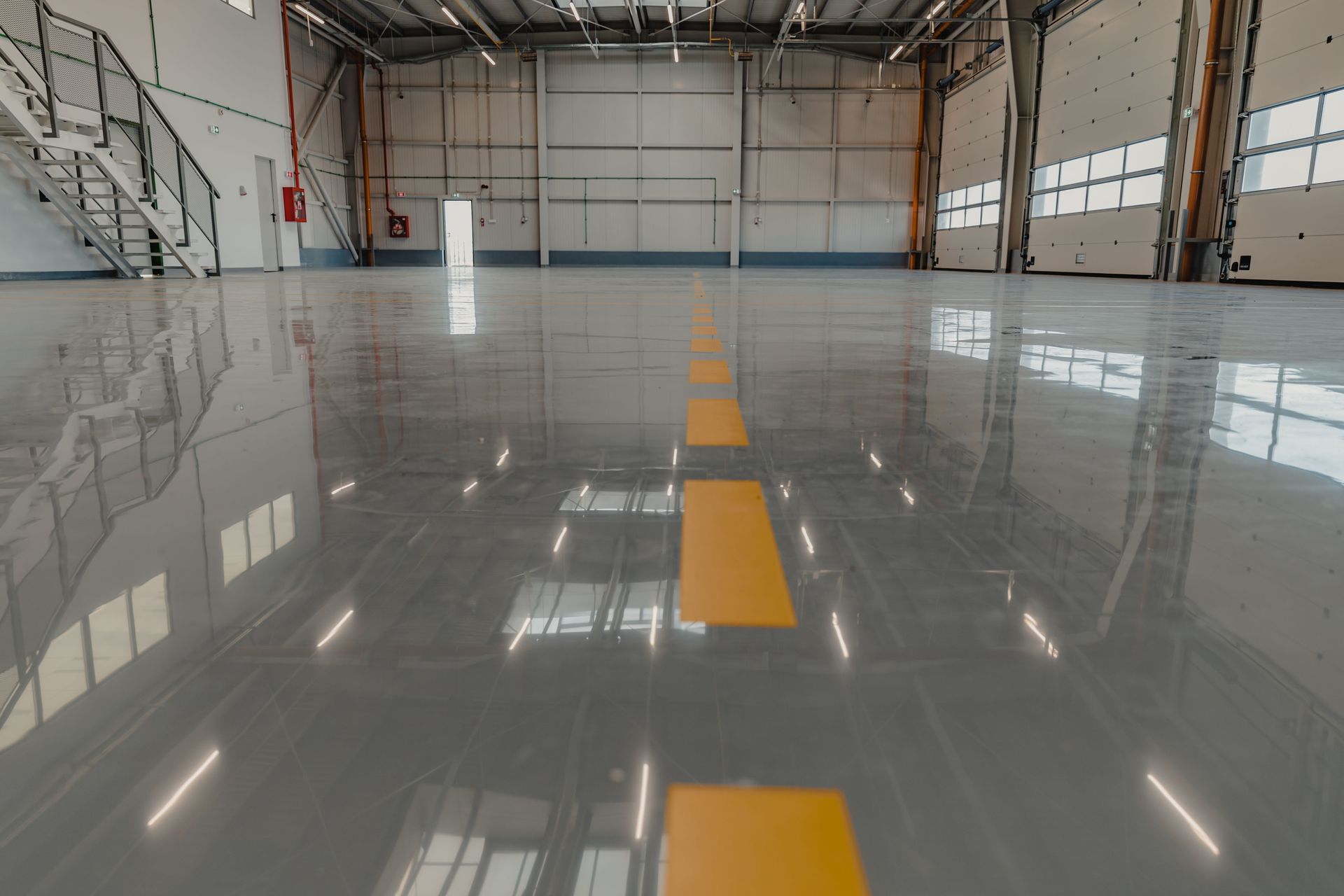
Different colors can also help organize operational spaces. Facilities may use floor markings to distinguish pedestrian walkways, equipment zones, storage locations, restricted areas, or traffic routes. Integrated markings can provide a durable alternative to temporary organizational methods. Businesses considering epoxy flooring services can incorporate these features into the overall installation plan so that the finished floor supports both workflow and visual communication.
7. Long-Term Cost Considerations
Flooring costs extend beyond the initial installation price. Repairs, maintenance, cleaning, operational interruptions, and eventual replacement all contribute to the total expense of owning a flooring system. Although epoxy may require a larger initial investment than some basic alternatives, its durability can reduce the frequency of major repairs and premature replacement when the system is properly selected and maintained.
Its seamless construction can also simplify routine maintenance, potentially reducing the time required to keep large floor areas clean. Facilities should nevertheless evaluate lifecycle costs according to their specific use conditions rather than assuming every epoxy installation will perform identically. Traffic volume, substrate quality, exposure to chemicals, installation quality, and maintenance practices can all influence longevity.
8. Minimizing Operational Disruptions
Floor deterioration can interfere with everyday operations when damaged areas require frequent repairs or create uneven working surfaces. Choosing a durable coating system can help reduce these interruptions. Properly installed epoxy can provide a continuous surface capable of supporting routine operations while protecting the concrete substrate from many common sources of deterioration.
Planning the installation carefully is equally important. Cure times vary according to the product, environmental conditions, and coating system being used. Experienced epoxy flooring services can help businesses coordinate preparation, application, curing, and reopening schedules so the project can be completed with consideration for operational requirements. Scheduling work during planned shutdowns or lower-activity periods may further reduce disruption.
9. Environmental and Indoor Considerations
The long service life of a flooring system can also affect its overall environmental footprint. Durable surfaces that require replacement less frequently may reduce the amount of flooring material removed and discarded over time. Applying epoxy over an existing concrete substrate can also make use of a structural surface that is already present rather than requiring an entirely separate flooring material.
Modern coating systems are available in different formulations, including products designed with lower volatile organic compound levels. Requirements vary considerably between facilities, so product selection should account for indoor air considerations, application conditions, building occupancy, and applicable standards. Proper ventilation and adherence to manufacturer instructions remain important during installation and curing.
Businesses evaluating epoxy flooring services should consider both immediate flooring requirements and anticipated long-term use. Proper substrate preparation, product selection, installation conditions, and routine maintenance all contribute to successful performance. When these factors are addressed carefully, epoxy flooring can provide a durable and adaptable surface capable of supporting demanding high-traffic environments for years to come. Contact our Central Resinous Flooring Supply today and learn more about our epoxy flooring services.