October 20, 2026
Concrete surfaces throughout residential, commercial, and industrial properties endure persistent daily wear, moisture exposure, and chemical contact. Property owners seeking to enhance the durability and appearance of their concrete substrates frequently turn to epoxy flooring as a premier protective solution. This specialized resinous system transforms ordinary concrete slabs into seamless, resilient surfaces capable of withstanding heavy daily demands. Despite widespread adoption across numerous industries and residential settings, several persistent myths continue to confuse property owners who are considering surface upgrades. Misunderstandings regarding material composition, installation protocols, safety features, and curing schedules often lead to hesitation or unrealistic expectations.
Making informed decisions regarding property improvements requires distinguishing between proven operational realities and common hearsay. Understanding the genuine physical characteristics and installation standards of resinous coatings ensures that property owners select the appropriate surface solutions for their specific environments. When individuals recognize how these coatings function, how technicians prepare underlying concrete slabs, and how modern additives enhance traction, they can plan their renovation projects with absolute confidence. Examining the most prevalent misunderstandings dispels confusion and highlights the true functional advantages of modern surface protection systems.
1. The Material Functions Just Like Standard Concrete Paint
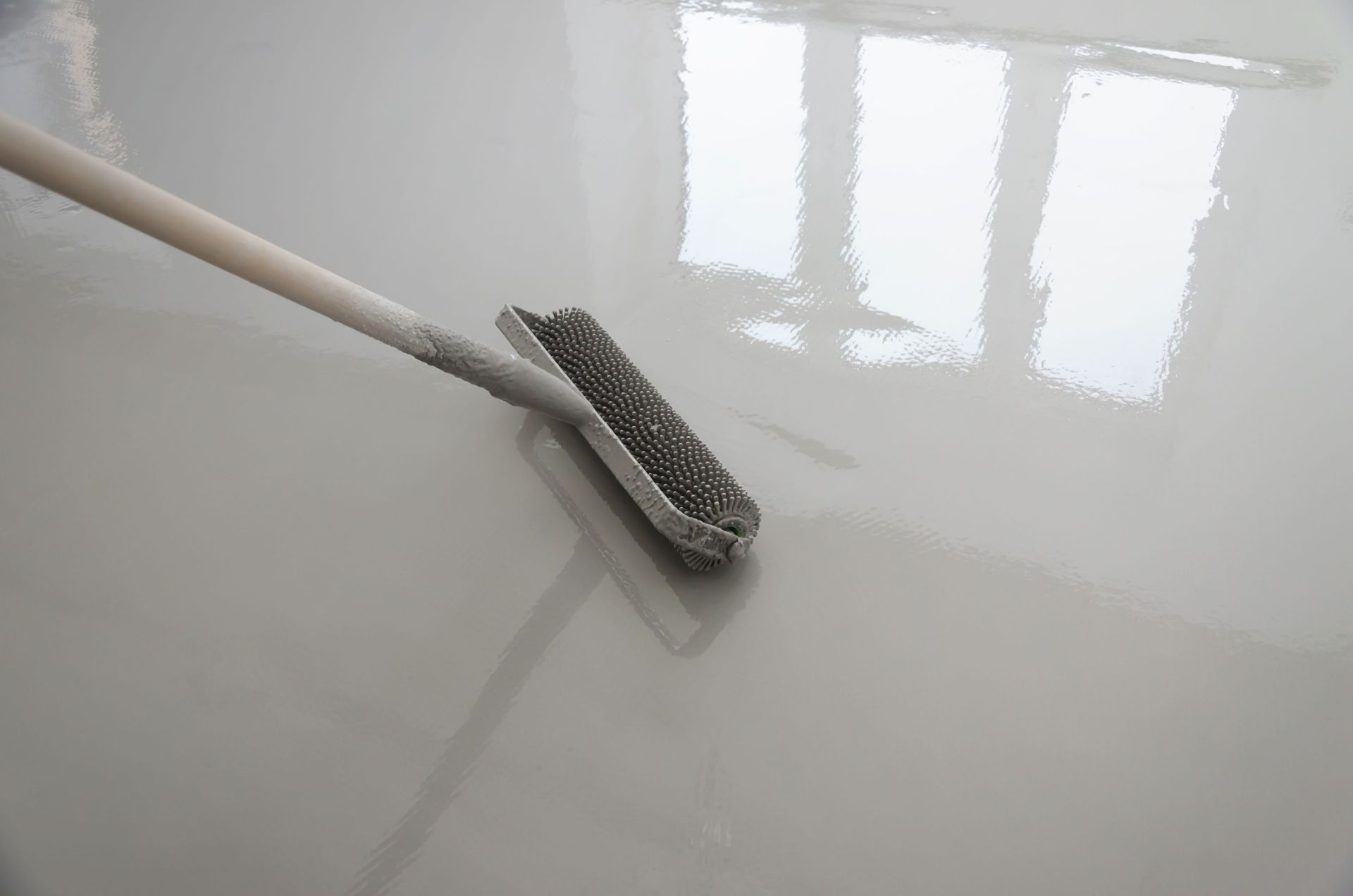
A prevalent misunderstanding suggests that resinous surface coatings are simply thicker versions of traditional latex or oil-based porch and floor paint. In reality, traditional paint relies on the evaporation of water or solvent carriers to leave behind a thin pigment film on the concrete surface. This delicate film adheres solely through superficial surface tension, making paint susceptible to peeling, chipping, and blistering under vehicle heat or chemical exposure. In stark contrast, epoxy flooring relies on an intricate chemical reaction between resin and hardener components. When technicians blend these liquid elements, a thermosetting process occurs that cross-links the molecules into an exceptionally tough polymer matrix.
This molecular bond fuses directly with the open pores of the prepared concrete base, creating a thick barrier that resists abrasive impacts, hot-tire pickup, and aggressive chemical spills. While standard porch paint wears away after minimal mechanical friction, an engineered resinous system provides long-term mechanical strength that withstands significant daily stress. Conflating topical paint with advanced polymer chemistry overlooks the extensive engineering and formulation that distinguish these high-performance materials from consumer-grade coatings. Investing in a true chemical coating delivers structural resilience that standard paint simply cannot achieve. The resulting protective barrier shields the porous substrate from mechanical harm and everyday environmental exposure.
2. The Surface Becomes Dangerously Slippery When Wet
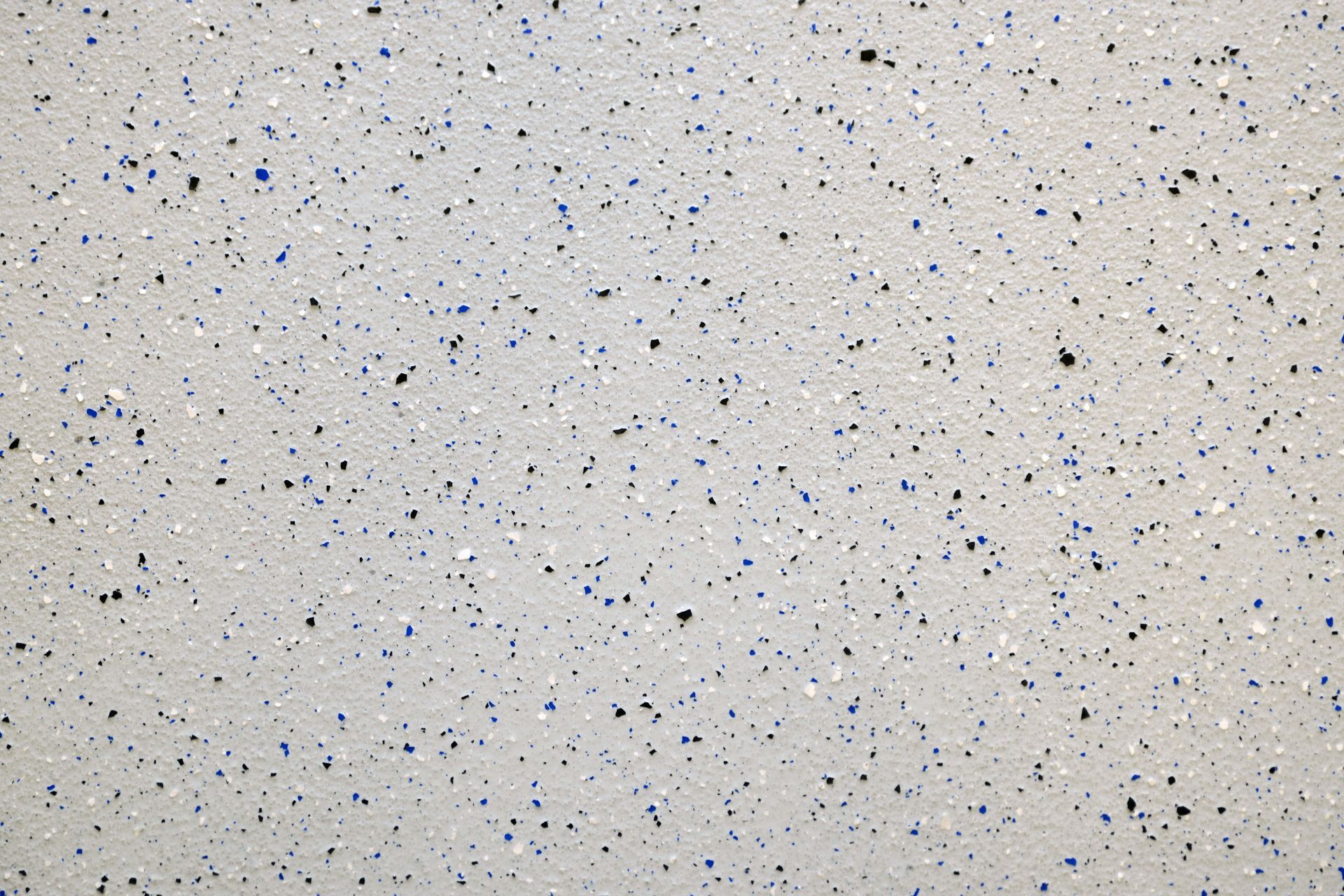
Because finished resinous floors often feature a brilliant, high-gloss shine, many property owners mistakenly believe that walking across them in damp conditions presents an unavoidable slipping hazard. While a completely smooth, mirror-like finish can reduce friction when covered with standing liquids, professional installers utilize specialized traction aggregates to mitigate this concern entirely. Installers regularly incorporate aluminum oxide, quartz crystals, silica sand, or decorative vinyl flakes into the topcoat during application to create a customized surface profile.
These aggregates produce subtle microscopic texture across the surface, ensuring dependable slip resistance even in areas prone to routine spills, rain runoff, or vehicle melt-off. Commercial kitchens, automotive service bays, and residential garages frequently utilize textured finishes specifically because they satisfy stringent slip-resistance guidelines. Properly customized epoxy flooring provides exceptional traction that keeps occupants safe without sacrificing the clean aesthetics or simple maintenance characteristics of the floor. With the correct broadcast media, glossy aesthetics and dependable traction coexist harmoniously across any indoor environment.
3. The Application Requires Minimal Concrete Preparation
Some property owners assume that applying a protective resinous coating involves nothing more than sweeping away loose dust and rolling liquid material directly over existing concrete. This misconception is responsible for a vast majority of coating failures, including premature delamination, bubbling, and edge peeling. Resinous materials cannot create a permanent mechanical bond with dirty, sealed, or improperly profiled concrete surfaces. Contaminants such as motor oil, curing compounds, grease, and moisture vapor create barriers that prevent the resin from penetrating the concrete pore structure.
Professional installation teams spend substantial labor preparing the concrete substrate before opening a container of resin. Technicians use mechanical diamond grinding or shot blasting machinery to profile the concrete surface to an open, sandpaper-like texture that facilitates maximum liquid absorption. Furthermore, installers address underlying cracks, fill spalled joints, and verify moisture levels across the slab prior to coating. Thorough mechanical preparation ensures that the epoxy flooring forms an unbreakable mechanical interlock with the underlying concrete foundation, guaranteeing that the topcoat remains bonded through extended periods of mechanical stress.
4. The Coating Hardens Completely Overnight Without Waiting
Because thin films of decorative paint dry quickly, many individuals assume that resinous coatings achieve full structural strength within just several hours after application. While the chemical reaction does cause the liquid mixture to solidify relatively quickly, achieving complete polymer cross-linking requires adequate patience. Walking on a newly treated floor prematurely or parking heavy vehicles before the chemical reaction finishes can cause permanent surface indentations, tire marks, and structural bonding failures.
Understanding the exact timeline for chemical stabilization prevents premature damage to fresh installations. According to HomeGuide, newly coated epoxy flooring requires 16 to 24 hours of curing time prior to regular foot traffic and two to seven days before it can safely bear vehicle weight, regardless of the variety installed. Adhering strictly to these timing parameters ensures that the polymer network achieves its maximum tensile strength, hardness, and chemical resistance before facing heavy physical loads. Allowing adequate curing time preserves the beauty and mechanical integrity of the finished surface throughout its entire lifespan, ensuring that the chemical bond reaches its intended structural resilience.
5. The System Belongs Exclusively in Heavy Industrial Facilities
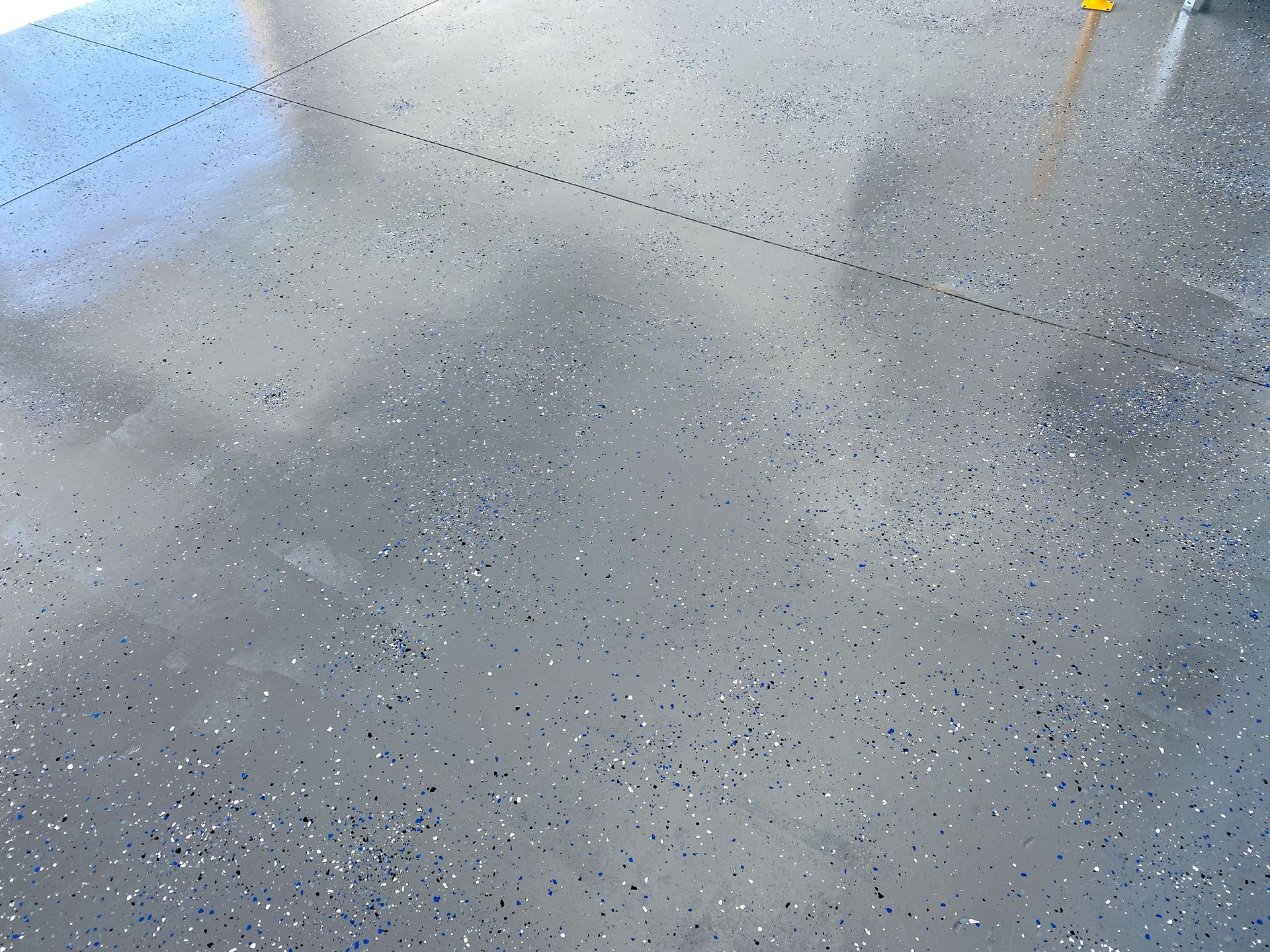
Because commercial factories and manufacturing warehouses frequently utilize resinous surface protection, some property owners assume that the material is far too utilitarian for decorative environments. While high-build polymer systems excel in heavy industrial settings subjected to forklift traffic and chemical exposure, modern formulation advancements offer boundless aesthetic versatility for commercial showrooms, retail storefronts, and residential spaces. Designers and property owners can choose from an extensive palette of solid hues, metallic pigments, variegated color blends, and decorative flakes that resemble granite or terrazzo.
In residential settings, basements, utility rooms, laundry spaces, and home workshops gain tremendous functional and visual value from seamless polymer coatings. Meanwhile, modern retail boutiques, restaurants, and medical clinics utilize seamless resinous systems to achieve modern design aesthetics alongside seamless sanitary protection. These seamless systems deliver clean visuals while standing up to high foot traffic and active residential routines. Installing epoxy flooring allows property owners to combine exceptional durability with sophisticated interior design, demonstrating that resilient surfaces are perfectly suited for residential and decorative commercial applications alike.
Disregarding common misconceptions enables property owners to appreciate the genuine engineering, remarkable longevity, and versatile design potential of modern resinous surfaces. From understanding the vital necessity of mechanical diamond grinding to recognizing the essential role of anti-slip aggregates, approaching a coating project with factual knowledge guarantees outstanding outcomes. Resilient resinous coatings elevate structural concrete into an impermeable, highly durable asset that simplifies daily maintenance while withstanding demanding physical environments.
Selecting high-grade materials and following proven installation protocols ensures that your finished space performs admirably under daily foot traffic and vehicle storage. Enhancing your concrete with dependable epoxy flooring provides a seamless barrier against moisture, stains, and abrasion. If you are ready for a durable and beautiful floor transformation, contact us at Central Resinous Flooring Supply today. We will help you select the ideal coating systems and materials for your next project.