June 3, 2026
An epoxy flooring project can transform a plain concrete surface into a cleaner, stronger, and more attractive floor. Whether the surface is in a garage, warehouse, showroom, basement, or commercial space, the application process requires careful preparation and proper timing. Many property owners are interested in the finished look but are less familiar with what happens before, during, and after installation.
Understanding the process can help you prepare your space, know what questions to ask, and set realistic expectations for the project. An epoxy coating is not simply rolled onto concrete like regular paint. It requires surface evaluation, cleaning, repairs, mixing, application, curing, and final inspection. When each step is completed correctly, the finished floor can offer long-lasting performance, improved appearance, and better protection for the concrete underneath.
Preparing the Project Area
The first step in an epoxy flooring project is preparing the surrounding area. Items such as furniture, tools, equipment, storage boxes, vehicles, or merchandise may need to be moved before work begins. The floor must be fully accessible so the installation team can inspect, clean, and prepare the concrete properly. Clearing the area ahead of time helps reduce delays and makes the process smoother.
It is also important to plan around temporary access limits. Once the project begins, the area may be unavailable until the coating is applied and cured. Homeowners and business owners should consider parking needs, work schedules, foot traffic, and storage requirements before installation day. Good preparation helps protect belongings while giving installers enough space to complete the work safely and efficiently. Preparing the area ahead of time can also help reduce disruptions during the installation process. Organized spaces allow contractors to move equipment more easily, complete preparation steps efficiently, and maintain a cleaner, safer work environment throughout the project.
Inspecting the Concrete Surface
Before applying an epoxy coating, the concrete must be inspected carefully. Installers look for cracks, chips, stains, moisture concerns, uneven areas, and previous coatings that may affect adhesion. Concrete that appears solid at first glance may still have hidden issues that need to be addressed before the coating is applied. This inspection helps determine the best preparation method for the surface.
Moisture is especially important because it can interfere with bonding and long-term performance. If the concrete has trapped moisture or vapor issues, additional steps may be needed before application. Oil stains, old sealers, dust, and surface damage can also prevent proper adhesion. A detailed inspection allows the team to identify these concerns early and recommend the right solutions before moving forward.
Repairing Cracks and Damage
Concrete repairs are often needed before coating begins. Cracks, pits, spalling, and uneven spots can show through the finished surface if they are not corrected. Repairing these areas helps create a smoother foundation and improves the appearance of the final floor. It also helps prevent weak spots that could affect durability over time.
Depending on the condition of the floor, repairs may involve filling cracks, patching damaged areas, grinding uneven spots, or removing loose material. These steps may add time to the project, but they are important for a professional result. A quality epoxy coating depends on the strength and condition of the surface beneath it, so repair work should never be rushed or skipped.
Cleaning and Profiling the Floor
Once repairs are complete, the concrete must be thoroughly cleaned and profiled. Dust, dirt, grease, oil, and other contaminants can prevent the coating from bonding correctly. Surface preparation may involve sweeping, vacuuming, degreasing, grinding, or shot blasting, depending on the floor’s condition. This stage is one of the most important parts of the entire application.
Profiling the concrete creates the right texture for adhesion. A surface that is too smooth may not allow the epoxy to bond properly, while a properly prepared surface helps the coating grip the concrete. This step is a major reason professional installation is recommended. The appearance and lifespan of the floor often depend on how well the surface is prepared before the coating is applied.
Mixing the Coating Materials
After preparation is complete, the coating materials are mixed according to the product requirements. Epoxy systems usually involve multiple components that must be combined correctly before application. The mixing process affects performance, working time, and final appearance. If materials are measured or mixed incorrectly, the floor may not cure properly or achieve the expected durability.
Timing is also important because many coating products have a limited working window once mixed. Installers must apply the material before it begins to thicken or lose workability. This requires planning, experience, and coordination. Proper mixing helps ensure the epoxy coating spreads evenly, bonds correctly, and performs as intended once the project is complete.
Applying the Coating System
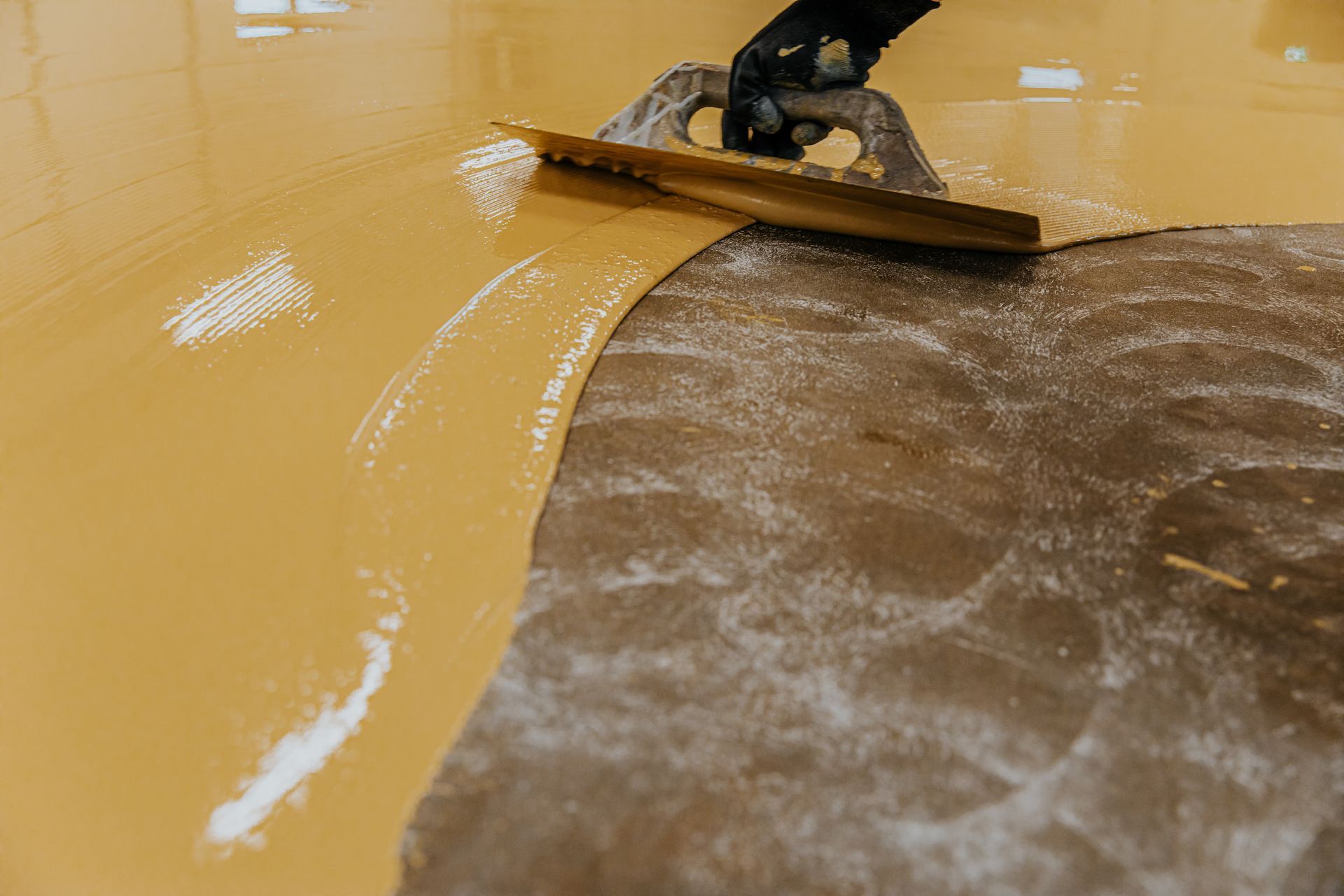
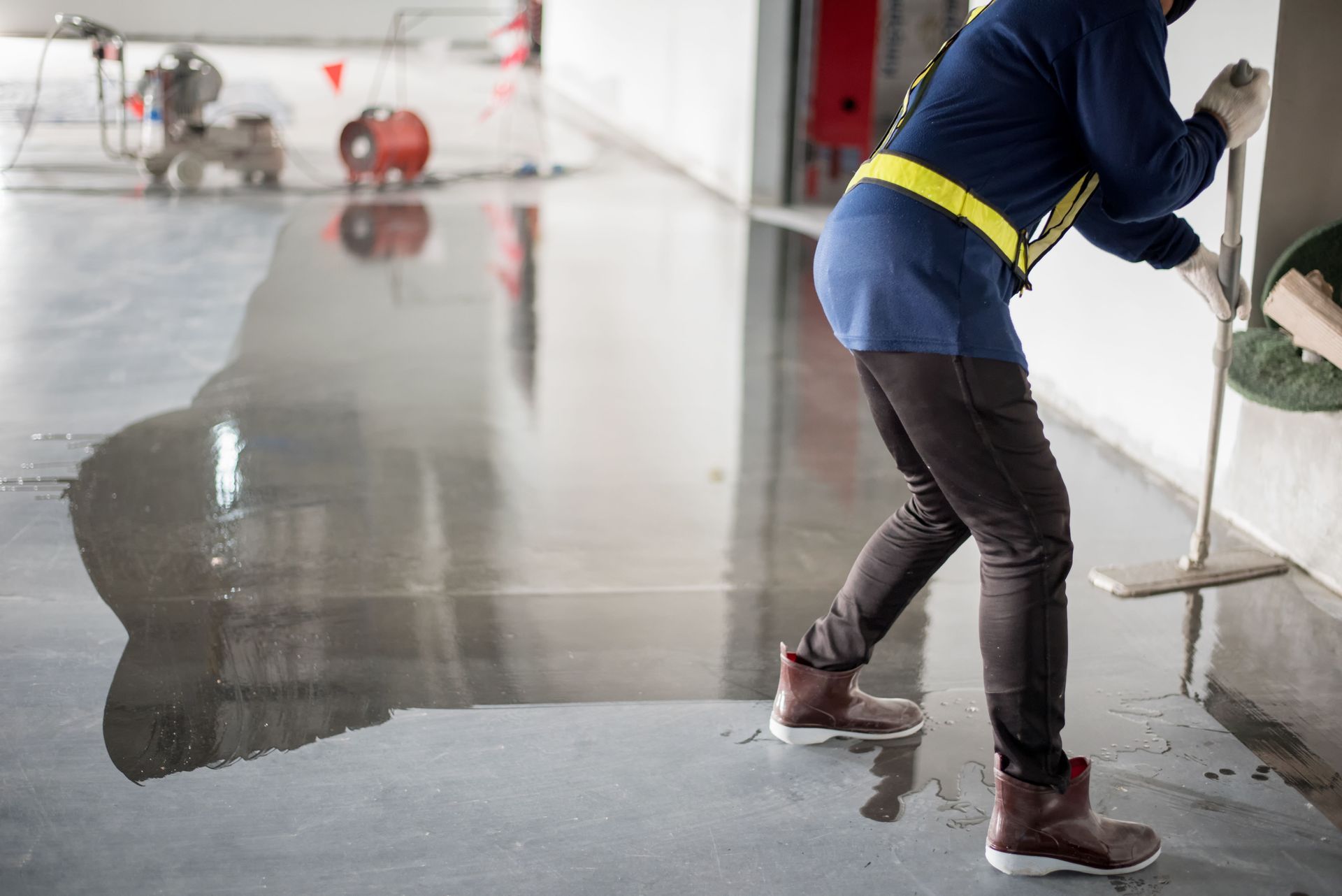
The application stage may include primer, base coats, decorative flakes, color layers, or topcoats, depending on the chosen system. Each layer must be applied evenly and at the proper thickness. Installers may use rollers, squeegees, brushes, or other tools to distribute the material across the floor. Careful application helps create a smooth, consistent finish.
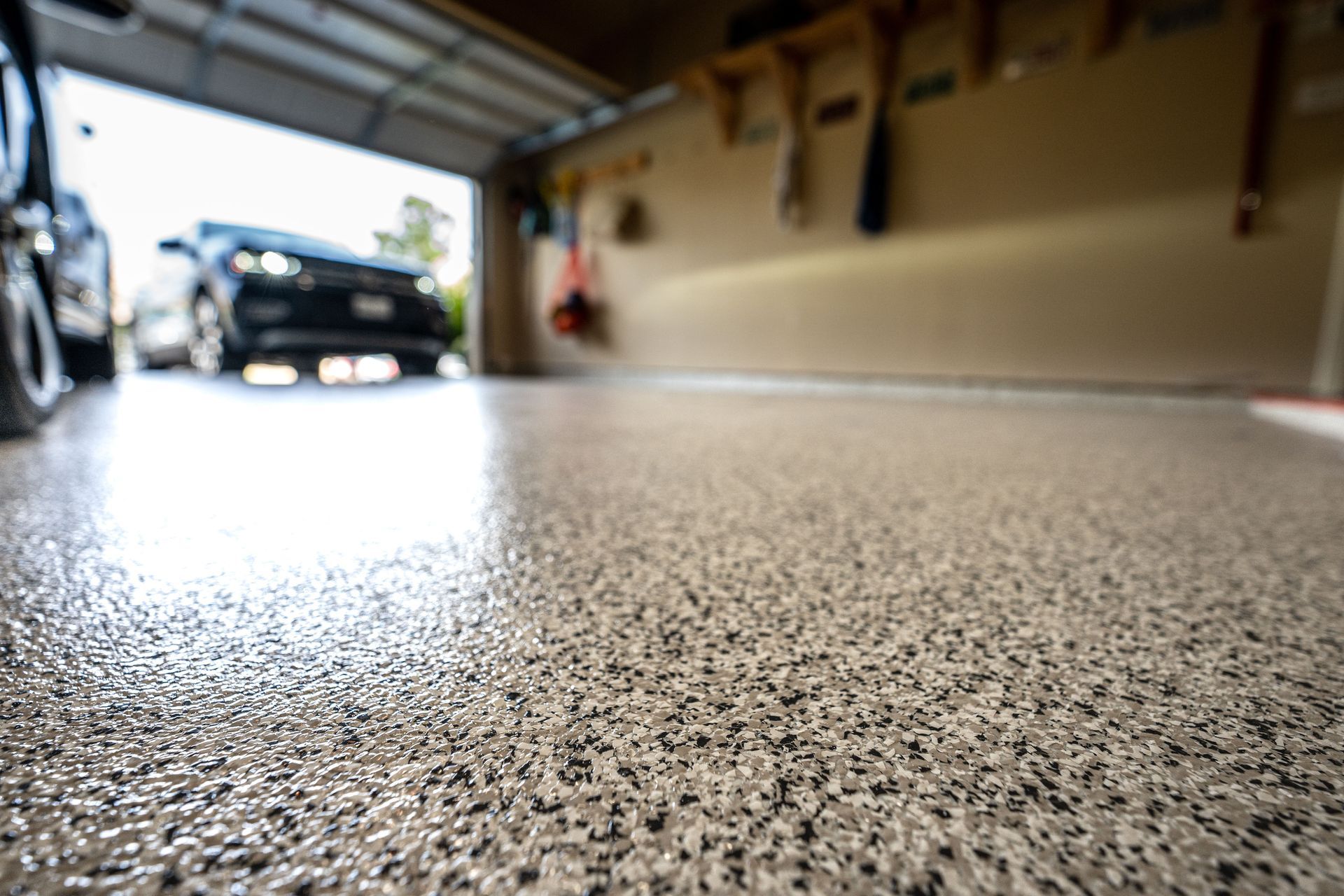
If decorative elements are included, they are added during the appropriate stage of the process. Flakes, textures, or color effects can improve appearance and may also help with traction. Each layer must be timed correctly before the next one is applied. A professional approach helps avoid uneven coverage, bubbles, streaks, and other imperfections that can affect both appearance and performance.
Allowing the Floor to Cure
Curing is the period when the coating hardens and reaches its intended strength. During this time, the floor should be protected from foot traffic, vehicles, moisture, dust, and heavy use. According to This Old House, epoxy flooring generally requires between 24 and 72 hours to cure completely. The exact timing can depend on product type, temperature, humidity, ventilation, and the number of layers applied.
It is important not to rush this stage. Walking on the surface too soon or placing heavy items back before the floor is ready can damage the finish. Installers should provide guidance on when the space can be used again. Giving the epoxy coating enough time to cure helps protect the quality of the finish and supports long-term durability.
Checking the Finished Surface
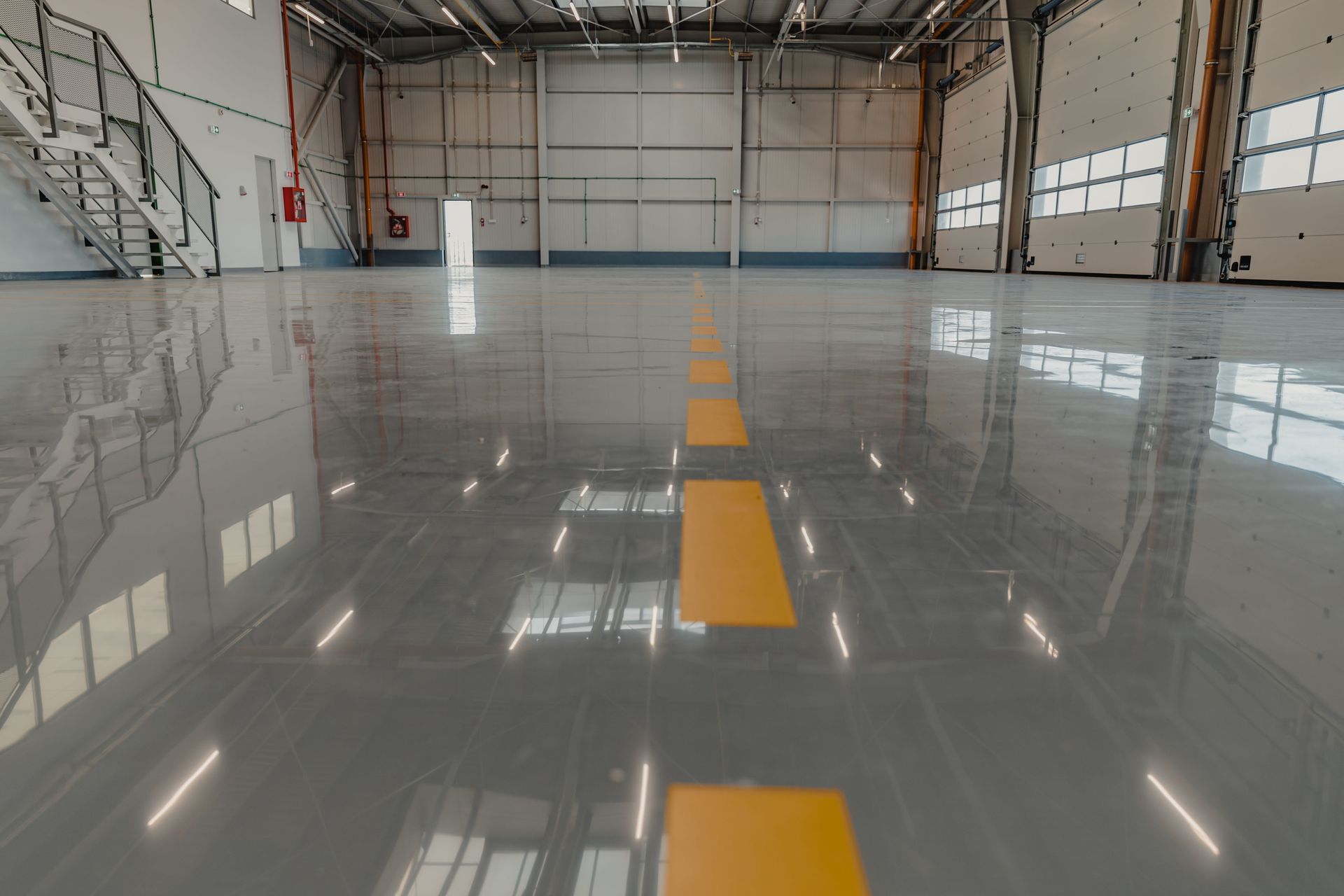
After curing, the finished floor should be inspected for appearance and performance. The surface should look consistent, feel properly hardened, and meet the expectations discussed before the project began. Any final cleanup, edge checks, or touch-ups may also happen at this stage. This final review helps confirm that the installation was completed properly.
Property owners should also ask about recommended care and maintenance. Although coated floors are known for durability, they still benefit from proper cleaning and protection. Avoiding harsh damage, cleaning spills promptly, and following maintenance recommendations can help preserve the finish. With the right care, an epoxy coating can continue to provide a clean, attractive, and functional surface for years.
An epoxy flooring project involves much more than applying a finish to concrete. From clearing the space and inspecting the surface to repairing damage, preparing the floor, applying the system, and allowing proper cure time, every step affects the final result. Knowing what to expect helps property owners prepare for the process and understand why professional materials and installation methods matter. A professionally installed epoxy coating can improve durability, appearance, and long-term floor performance in both residential and commercial settings. If you are ready to improve your floor with reliable products and expert support, contact Central Resinous Flooring Supply.