December 18, 2025
Epoxy flooring has become a popular choice for both residential and commercial spaces because of its durability, versatility, and polished appearance. But just like any home improvement project, installing an epoxy floor requires a bit of planning and awareness. Whether you're doing the work yourself or supervising a professional, knowing what mistakes to avoid can save you from unnecessary frustration later. Below, we’ll walk through some of the most common issues people face while using an epoxy floor coating and share helpful tips to keep your project running smoothly.
Ensuring Proper Surface Preparation
A strong and long-lasting epoxy floor coating starts with a properly prepared surface. It’s one of those steps people tend to rush, but it really is the foundation of the entire project. The truth is, concrete collects all kinds of debris—dust, oils, old adhesives—and all of that affects how well the epoxy sticks.
One common issue is incomplete cleaning. Even if a floor looks clean, microscopic contaminants can create adhesion problems. This is why professionals often use degreasers, scrubbers, or even pressure washers to really get the floor ready. Moisture is another big concern. When concrete holds too much moisture, the epoxy can’t bond properly, which eventually causes peeling. Many installers use moisture meters just to be safe.
Surface texture also matters. Concrete that is too smooth won’t hold the epoxy effectively. That’s why grinding or shot blasting is recommended—it roughens the surface just enough for proper bonding. And don’t forget cracks. Leaving cracks unfilled might not seem like a big deal in the moment, but those cracks can eventually reflect through the epoxy, creating visible imperfections and weakening the structure. The goal is to start with a uniform, clean, and dry base so your epoxy floor coating performs the way it should.
Following Correct Mixing Procedures
It might feel tempting to eyeball measurements or rush through the mixing stage, but epoxy formulas are very sensitive to ratios and timing. When the resin and hardener aren’t mixed precisely, the coating may not cure correctly. This can lead to soft spots, uneven texture, or a cloudy finish. Using the right tools makes a noticeable difference. Many people turn to an electric drill with a mixing paddle to achieve a consistent blend. And although it might seem more efficient to mix a large batch at once, doing that can cause the mixture to harden too quickly. Epoxy generates heat as it cures, so larger batches set faster. Keeping batches small and manageable gives you better control over the application.
It also helps to pay attention to pot life—the amount of time you have before the mixture thickens. Once epoxy begins to set in the container, it becomes nearly impossible to spread smoothly. Being prepared with tools, workspace setup, and a clear plan helps ensure your mixing and application run without unnecessary stress.
Applying The Coating Evenly and Carefully
Application mistakes are easier to make than most people expect. Temperature, for example, plays a big role in how well the epoxy spreads and cures. Conditions that are too cold slow down curing, while conditions that are too warm can make the mixture set too quickly. Checking the manufacturer’s temperature guidelines helps avoid curing issues later.
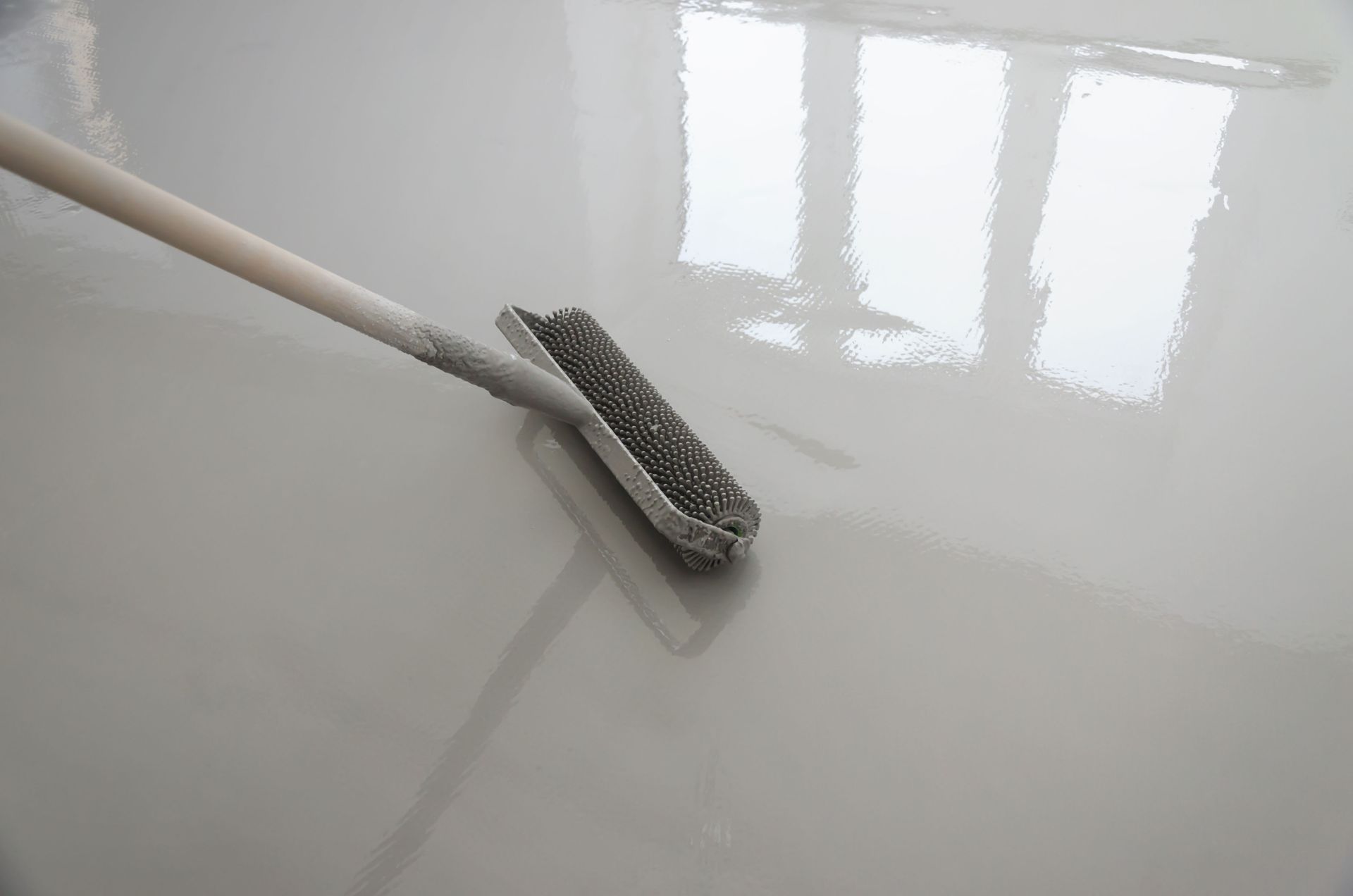
Uneven application is another frequent problem. Working too quickly or using tools not designed for epoxy can produce streaks, ridges, or patches that vary in thickness. Not only does this affect appearance, but inconsistent thickness can also create weak points. Tools like squeegees and rollers meant specifically for epoxy make the job smoother and more predictable. And a simple but important point: always read the product instructions. Each brand and formulation has unique requirements. Following the instructions closely is one of the easiest ways to avoid preventable mistakes and achieve a clean, professional finish.
Monitoring Environmental Conditions Carefully
The environment around the installation matters just as much as the epoxy itself. Humidity, air flow, dust, and temperature all influence how the epoxy floor coating cures. High humidity levels can cause the coating to stay tacky or develop unwanted textures. Using a dehumidifier or scheduling the project during dry weather can make a huge difference.
Proper ventilation is also key. Not only is it safer to work in a well-ventilated space, but it also helps the epoxy cure evenly. Yet too much airflow can create its own issues—strong drafts may introduce dust or dry the epoxy too quickly. The best approach is controlled ventilation: steady, light airflow that keeps the area comfortable without disturbing the finish. Dust control is another easily overlooked factor. Even small bits of debris can become permanently embedded in the coating. Before applying epoxy, it’s worth taking the time to vacuum, sweep thoroughly, and minimize foot traffic during the process.
Respecting The Full Curing Time
Once the floor is coated, the waiting begins. Curing time is something people often underestimate. While epoxy might be dry to the touch within hours, it typically takes several days to reach full strength. Walking on the floor too soon can cause dents, marks, or uneven spots. Placing furniture or equipment early can leave permanent impressions.
Manufacturers provide detailed curing timelines for a reason, and sticking to those guidelines ensures your floor reaches maximum durability. Even opening windows too soon can cause temperature fluctuations or introduce dust. Although it takes patience, giving the floor its full curing period truly pays off in the long run.
Maintaining The Floor Consistently Over Time
Once your epoxy floor coating is installed and cured, keeping it in good condition comes down to regular care. Fortunately, epoxy is relatively low-maintenance, but that doesn’t mean maintenance can be ignored. Cleaning products should be gentle—harsh chemicals can dull the finish or slowly break down the coating.
Routine inspections help catch issues early. A small chip or crack might not seem urgent, but addressing it quickly prevents it from spreading. Maintenance is especially important if your floor uses a water-based formula. According to This Old House, water-based epoxy may need reapplication on floors every 1–3 years, which means keeping an eye on wear patterns helps you plan ahead. Spills should be cleaned promptly to avoid staining, even though epoxy resists most liquids. And resealing when recommended helps preserve shine and overall performance. A little bit of routine care can extend the life of your floor significantly.
Choosing The Right Products and Tools
One final area people often overlook is product selection. Not all epoxy formulas work the same way, and choosing the wrong one can create unnecessary problems. Think about how the space will be used—garage floors have different needs than indoor living areas or commercial workshops. The durability, chemical resistance, and thickness of the epoxy floor coating all play roles in determining the right product. Investing in quality tools also helps. Good rollers, squeegees, and mixers create a smoother application and reduce the chance of mistakes. Cheap tools may leave marks, shed fibers, or wear out during the project, making the job harder than it needs to be. Taking a little time to choose materials intentionally gives you the confidence that your installation will last.
Avoiding common mistakes with epoxy flooring really comes down to preparation, patience, and attention to detail. When the surface is cleaned and repaired properly, when the epoxy is mixed with care, and when environmental conditions are controlled, the final result is a surface that looks great and performs well for years. Being consistent with maintenance only adds to its longevity. Epoxy floors may seem simple at first glance, but a thoughtful approach goes a long way toward preventing issues and protecting your investment. If you’re planning an installation or simply need guidance on choosing materials, feel free to reach out—Central Resinous Flooring Supply.